

Best BDSM Accessories for Beginners
67 products
Walking into BDSM for the first time can feel like browsing a foreign-language menu — restraints, impact toys, sensory play, aftercare, safe words. The good news: you don't need a dungeon, a six-figure budget, or weeks of research to start safely. You need three or four well-chosen items, a frank conversation with your partner (or yourself), and an understanding of which "starter" products are genuinely beginner-friendly and which are marketing fluff dressed in leather.
This page collects the BDSM accessories most beginners actually buy, ranked by build quality, body-safe materials, and how forgiving they are when you don't know exactly what you're doing yet. Below the comparison you'll find a buying guide that walks through the four entry-point categories (restraint, sensation, impact, control), a frank verdict on which items deserve your money, and 14 of the questions we get asked most often by people buying their first BDSM kit.
Quick orientation if you're brand new: the goal of beginner gear isn't intensity — it's predictability. A good first restraint releases easily; a good first impact toy gives feedback before it bruises; a good first blindfold blocks light without smothering. Skip anything that promises "extreme" sensations on the box and start with the unglamorous middle of the range. The thrill comes from the dynamic between people, not from the price tag of the cuffs.
Top 5 Comparison
| Product | Price | Travel-friendly | Silicone | Waterproof | Vibration | Multi-speed |
|---|---|---|---|---|---|---|
 | €48.95 | |||||
 | €45.95 | — | — | |||
 | €59.95 | — | ||||
 | €47.95 | — | — | — | ||
 | €35.95 | — | — | — |
-
-16%
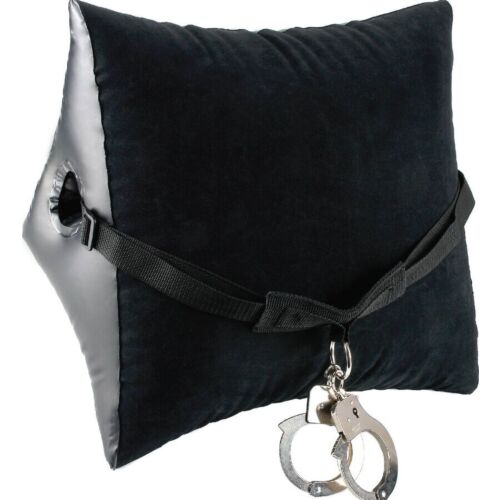
In stock
Special Price €53.95 Regular Price €63.99 -
-13%
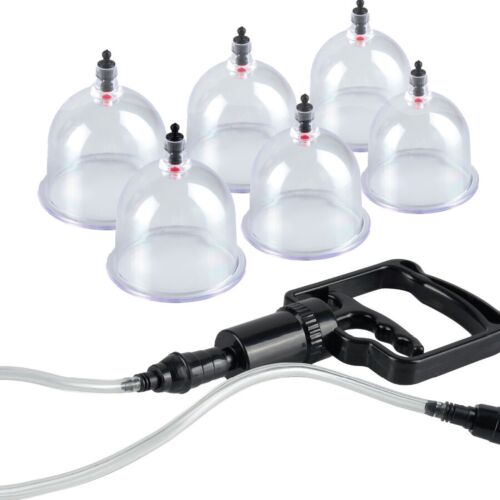
In stock
Special Price €25.95 Regular Price €29.99 -
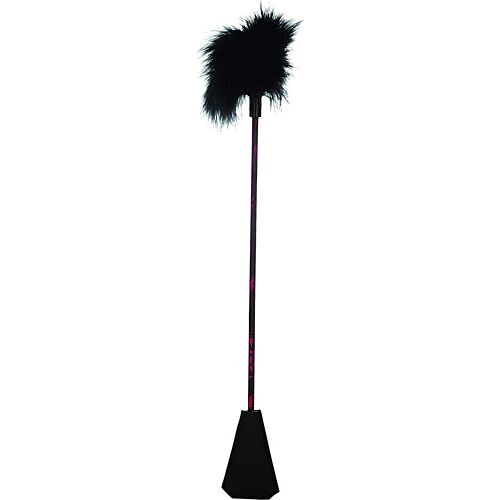
-
-16%
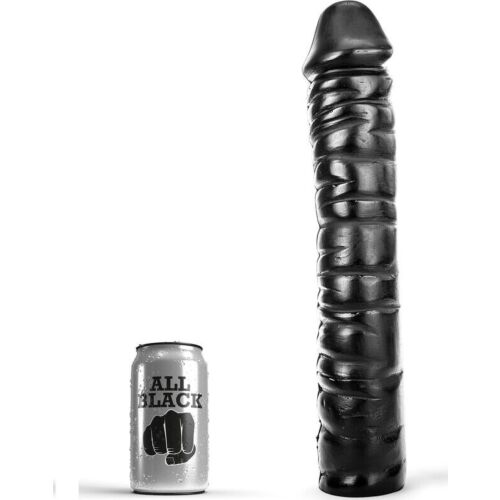
-
-29%
In stock
Special Price €46.95 Regular Price €65.99 -
-14%
In stock
Special Price €35.95 Regular Price €41.99 -
-16%
In stock
Special Price €48.95 Regular Price €57.99 -
-

-
-15%
In stock
Special Price €40.95 Regular Price €47.99 -
-15%
In stock
Special Price €40.95 Regular Price €47.99 -
-15%
In stock
Special Price €45.95 Regular Price €53.99 -
-14%

In stock
Special Price €59.95 Regular Price €69.99 -
-12%
In stock
Special Price €7.95 Regular Price €8.99 -
-12%

-
-15%

In stock
Special Price €5.95 Regular Price €6.99 -
-
-
-
-15%
In stock
Special Price €5.95 Regular Price €6.99 -
-11%
In stock
Special Price €7.95 Regular Price €8.95 -
-
-
-11%

In stock
Special Price €7.95 Regular Price €8.95 -
-
-
-
-
-
-
-
-
-
-
-








Our verdict
If you're buying your first BDSM gear, our recommendation is dull on purpose: buy fewer, better items than the impulse to grab a kit suggests. A $40 set of well-made Velcro cuffs and a quality blindfold will outlast and outperform a $40 box of 12 plastic novelties — and you won't end up with seven items you never touch.
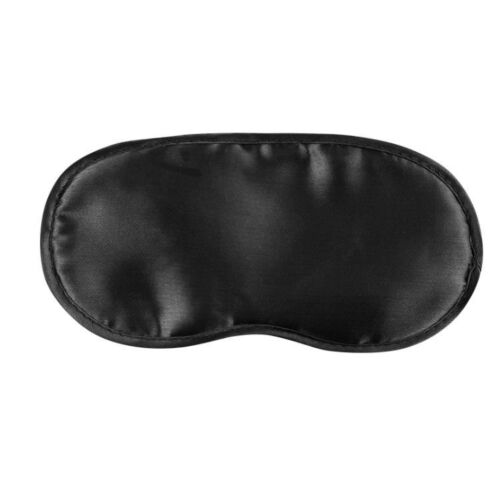
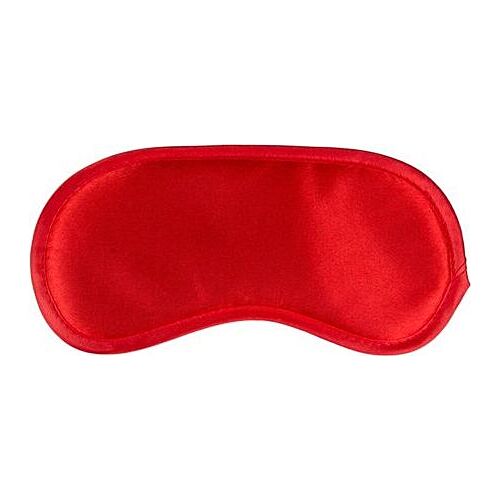
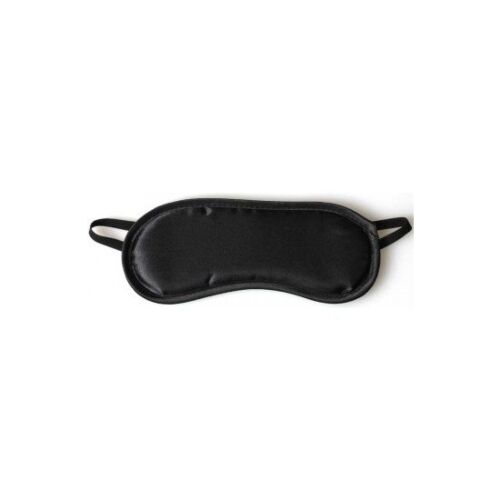
For couples completely new to it, the practical starter is: 1 quick-release restraint kit (under-bed straps work in any room without modification), 1 quality blindfold (real leather or thick silicone, not flimsy fabric), and 1 soft impact tool (broad-surface paddle in silicone, not a stinging riding crop). Total around $70–100. Add aftercare basics — a soft blanket, water, ten minutes of nothing.
The selection below filters our catalogue to the items that match these criteria. We exclude anything with phthalate-bearing PVC, anything with confirmed quality complaints, and anything that costs less than the fair price of its materials (cheap leather is fake leather). What's left is what we'd hand to a friend who asked the same question.
Frequently Asked Questions
Is BDSM safe for absolute beginners?
Yes, when you start with low-risk items (sensory, blindfolds, light restraint with quick-release) and have an explicit safe-word agreement. The injury rate in surveyed BDSM communities is actually lower than for vanilla rough sex, largely because BDSM practitioners pre-plan and check in continuously. The risk is in skipping the conversation, not in the gear.
What's the safest first BDSM accessory to buy?
A quality blindfold. Zero physical risk, immediate sensory shift, and forces you to build trust before adding more layers. Costs $15–30 in real leather or thick silicone. We tell beginners to spend at least three sessions with just a blindfold before adding restraint or impact.
Should we use a safe word? What's a good one?
Yes — non-negotiable. The standard is the traffic-light system: green = good keep going, yellow = slow down or check in, red = stop everything. Some couples prefer fruit (banana, watermelon) because it's clearly out-of-context and won't be misread as part of the play. If anyone is gagged, agree on a non-verbal signal — a held object dropped, three taps on the partner's leg.
Velcro cuffs vs leather cuffs vs ropes — which is best for beginners?
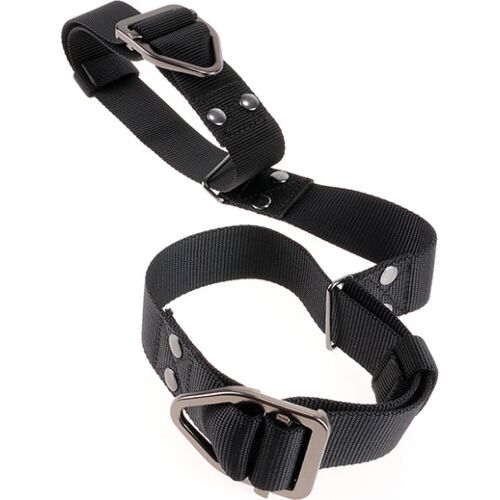
Velcro wins for absolute beginners — release in under a second if anything goes wrong, fits any wrist size, no special skills required. Leather with quick-release buckles is the next step (looks/feels more "real", still safe). Ropes require learning shibari knots and understanding nerve compression — beautiful but a months-long learning curve, not a starter item.
Are nipple clamps safe for first-timers?
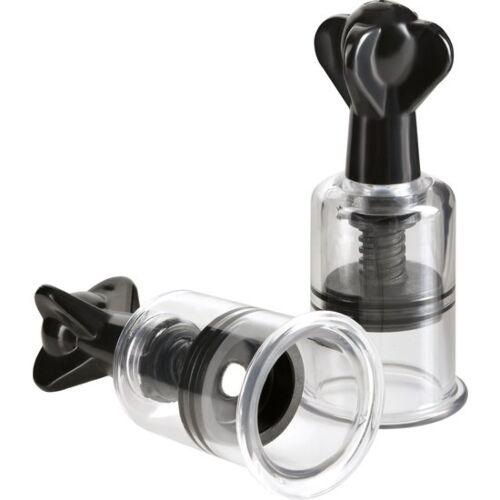
If they're adjustable. Tweezer-style clamps with a sliding ring let you control pressure precisely; alligator-style with no adjustment can pinch hard enough to cause real pain immediately. Hard rule: limit clamp time to 15 minutes max — circulation matters. The most intense moment is usually when the clamp comes off, not when it's on.
Can I use BDSM gear if I'm in a long-distance relationship?
Absolutely — and it's an underrated category for distance dynamics. App-controlled toys (Lovense, We-Vibe), permission protocols (text-based "may I" rules), assigned tasks for the day. The control element of D/s translates beautifully across distance because it's primarily psychological. Physical impact, restraint and sensory play obviously need shared space.
What is "aftercare" and do I really need to do it?
Aftercare = the 10–30 minutes after a scene where both partners come back to "normal" together: water, blankets, talking, holding. It matters because BDSM activates a distinct neurochemical state ("subspace" / "dom-drop") and the comedown is real — beginners who skip it often experience anxiety or sadness 24 hours later and conclude BDSM "didn't agree" with them. It almost always agrees with them; the missing aftercare didn't.
How do I bring up wanting to try BDSM with my partner?
Start outside the bedroom, fully clothed, no pressure. Frame as curiosity not demand: "I read about this, what do you think?" Use a yes/no/maybe list (search "BDSM checklist") to compare interests in writing — much easier than verbal. Accept any answer including "not for me, ever". The conversation itself often deepens trust whether or not you actually try anything.
Is it normal to feel weird or guilty after a scene?
Common, especially the first few times. The "drop" is a real neurochemical comedown 12–48 hours after intense play; it's not a moral judgement — it's brain chemistry rebalancing. If it persists or worsens you may need slower escalation, more aftercare, or BDSM may genuinely not be for you and that's also fine.
What about hygiene — how do I clean BDSM gear?
Silicone (paddles, gags): warm soap and water; can be boiled or dishwasher-cleaned if 100% silicone with no electronics. Leather: wipe with damp cloth, never submerge, leather conditioner once a year. Metal: dishwasher or boil. Fabric/nylon cuffs: machine wash on cold, no fabric softener. Anything that touches genitals or mouth: sanitise after every use.
Do I need to learn shibari (Japanese rope bondage)?
Not for the first year. Rope bondage is genuinely an art form — the aesthetics are stunning but improperly tied rope can cause nerve damage in minutes (radial nerve compression in the upper arm is the most common injury). If it interests you, take an in-person class with a certified rigger before practising at home. Velcro and buckled cuffs cover 95% of beginner-restraint use cases without the learning curve.
Are app-controlled toys reliable for D/s play?
For Bluetooth (10m range), yes — connections rarely drop. For internet-based control (Lovense, We-Vibe long-distance), depends on both partners' connection quality; expect occasional dropouts. Privacy matters: We-Vibe paid a $3.75M class action in 2017 for collecting use data without clear consent — the brands above now publish GDPR-compliant policies but check before connecting. Use a strong password on the app account.
What's the difference between dom/sub, top/bottom, and switch?
Top/bottom = who's doing things vs receiving (physical roles, single scene). Dom/sub = power exchange roles, often longer-term dynamic with rules outside individual scenes. Switch = comfortable in either role depending on partner, mood, scene. You don't need to label yourself before exploring; many people discover their preference after months of trying both.
When should I avoid BDSM entirely?
Skip BDSM entirely if: you and your partner are in active conflict (BDSM amplifies dynamics, doesn't repair them); either of you has unaddressed trauma related to violence or control (work with a therapist first); you're using it to test the relationship rather than enjoy it; either party is significantly intoxicated; either party wasn't asked. BDSM is the strongest possible amplifier of a relationship dynamic — only use it when the underlying dynamic is healthy.