

Best Cheap Dildos (Under $30)
12 products
"Cheap" and "dildo" can coexist without compromising on safety — but only if you know which corners cheap manufacturers cut and which they don't. The under-$30 dildo category is where most buyers get the worst-value deal of their lives: $12 toys that turn sticky and yellow in three months, "premium silicone" that's actually TPE blend, and "phthalate-free" claims with no certification. The flip side: a $25 dildo from a known brand can outperform a $100 designer piece on ergonomics, body-safety, and longevity.
This page collects affordable dildos that don't sacrifice the things you can't see (material, base shape, manufacturer accountability) for the things you can (colour, sparkle, fancy box). Below the comparison you'll find a buying guide on what cheap can mean ethically (real silicone for $25? yes; "premium platinum silicone" for $12? no), red flags that mean walk away regardless of price, and 14 of the questions we get asked most.
The rule for budget shopping in this category: if the dildo is cheap because of simple shape (no realism, no vibration, no decoration), that's the right kind of cheap. If it's cheap because of mystery material or no-name brand, that's the wrong kind. The first lasts a decade; the second damages your body.
Top 5 Comparison
| Product | Price | Waterproof | Vibration | Travel-friendly | Phthalate-free | Rechargeable |
|---|---|---|---|---|---|---|
 | €9.95 | |||||
 | €8.95 | — | ||||
 | €17.95 | — | — | — | ||
 | €16.95 | — | — | — | — | |
 | €18.95 | — | — | — |
-
-10%
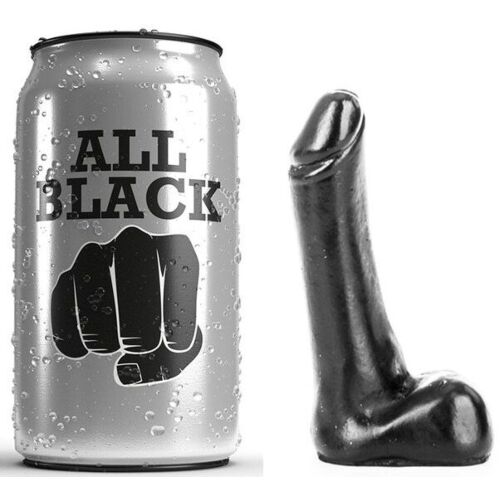
-
-48%
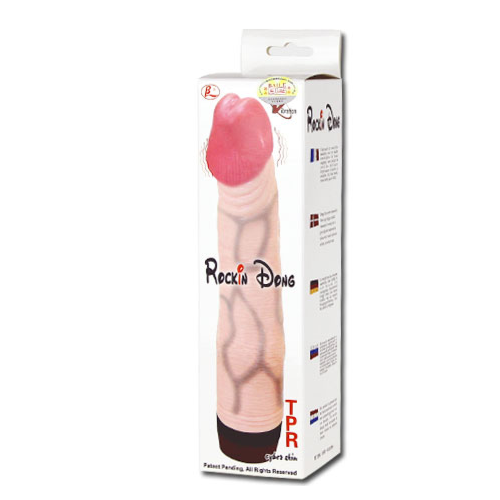
In stock
Special Price €9.95 Regular Price €18.99 -
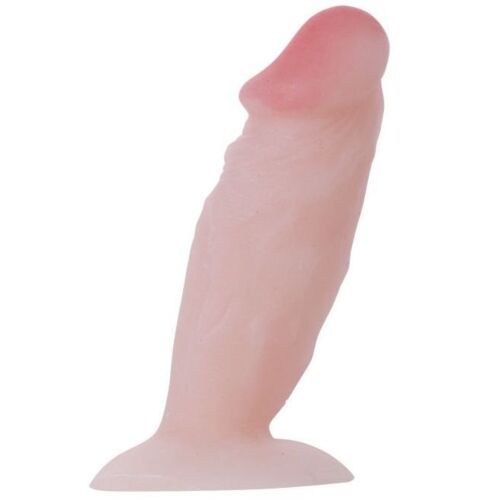
-
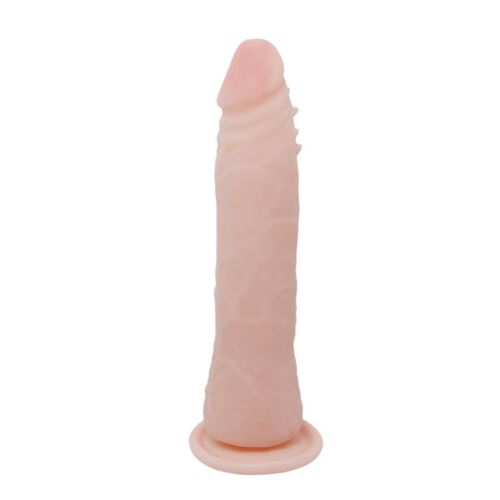
-
-14%
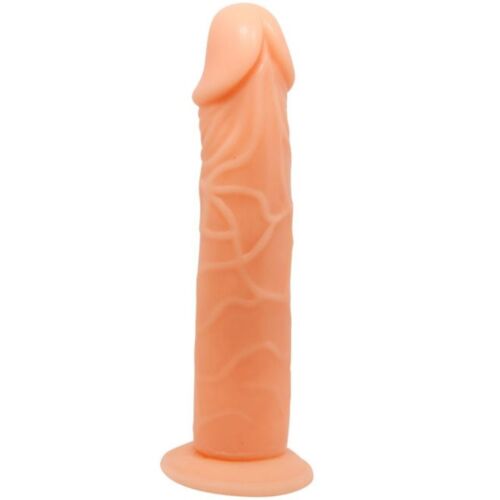
-
-13%

-
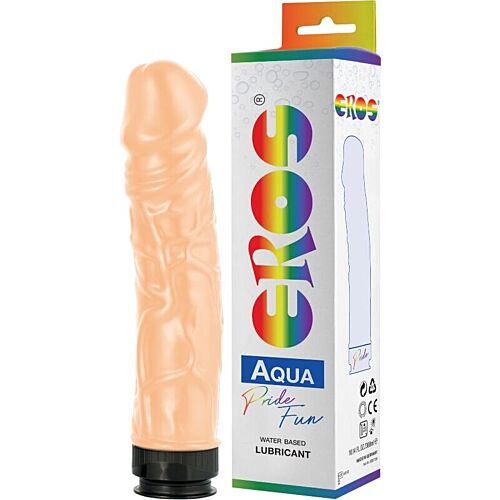
-
-15%
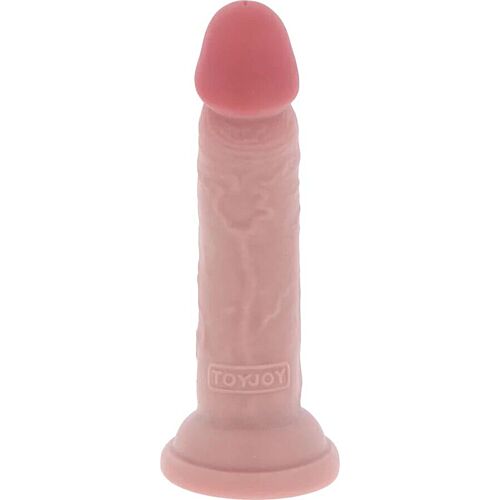
In stock
Special Price €16.95 Regular Price €19.99 -
-5%
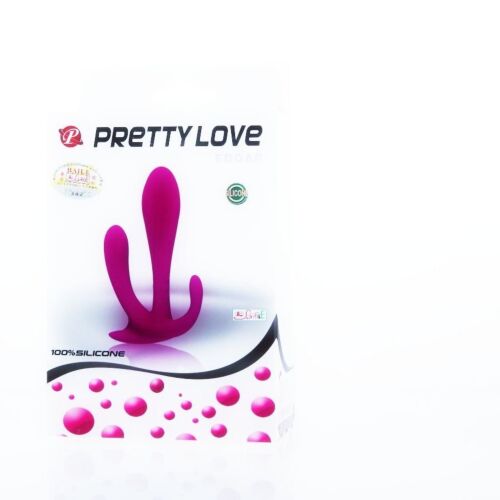
In stock
Special Price €17.95 Regular Price €18.99 -
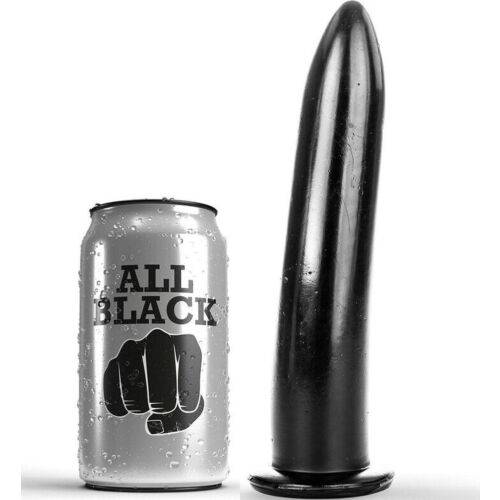
-

-
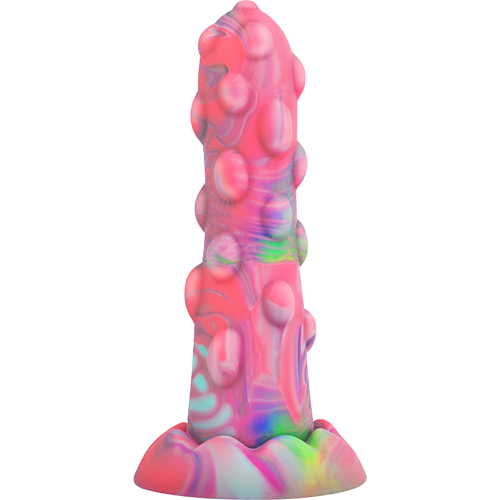


Our verdict
The under-$30 dildo category isn't about trade-offs in safety — it's about trade-offs in cosmetics. $25 buys a real body-safe silicone dildo from a real brand if you don't insist on realism, vibration, or flashy presentation. Choosing simple shape and plain colour is what makes the price work; the moment you ask for realistic veining at this budget, the manufacturer compromised somewhere else (usually material).
Our floor for the budget category is real silicone, real flared base, real brand with traceable customer service. We don't list anything where the material is uncertain (most "premium TPE blend" toys), where the manufacturer is faceless (Amazon-only listings with no website), or where reviewers report sticky/discoloured arrival (consistent quality control issues).
One pattern from years of complaints: buyers who upgraded from a $12 mystery-material toy to a $25 known-brand silicone toy almost universally report the second feels meaningfully better — softer, warmer, more natural. The $13 jump is the biggest quality leap in the entire dildo market.
Frequently Asked Questions
Can a $25 dildo really be body-safe?
Yes, when the manufacturer cut costs on cosmetics (simple shape, no decoration, plain colour) and not on materials. Tantus and Doc Johnson Mood lines explicitly do this. The savings come from skipping the design fees and brand-premium markup, not from cheaper silicone.
What's the difference between silicone and "TPE silicone blend"?
"TPE silicone blend" is mostly TPE with marketing dressing. Real silicone is non-porous, sterilisable, body-safe certified. TPE is porous regardless of how much "silicone" is mixed in. If the description says "blend", "compound", "elastomer" or anything besides "100% silicone", it's not real silicone. Read past the photo.
Is jelly (PVC) really that bad?
Yes. Jelly contains phthalates (plasticisers banned in children's toys for decades) which off-gas slowly into your body during use. Causes irritation in many users, hormonal disruption with chronic exposure, and the material can't be sterilised properly. Banned from sale in some jurisdictions. There's no responsible reason to buy it when silicone is available at the same or only slightly higher price.
How can I tell if a "silicone" dildo is actually silicone?
Two tests at home. Flame test: hold a flame to a hidden spot for 1 second — real silicone won't melt or change. TPE/PVC blackens or melts. Float test: real silicone sinks in water; many TPE blends float (less dense). Better than tests: buy from brands with public material certificates.
Why are some "cheap" dildos $50?
Listed as "affordable" by stores trying to anchor the category higher. Genuine budget category is $15–30. $50 is mid-range pricing — fair if you want better realism or features, but not "cheap" in any meaningful sense.
What size should I start with?
For first vaginal dildo: 13-15cm length, 3-3.5cm diameter. That's roughly average male partner size. Bigger = harder to use comfortably for first-timers. The Veale et al. 2015 study (15,521 men) put average erect penis at 13.1cm length, 11.7cm circumference — those numbers are a good benchmark.
Is a suction-cup dildo worth it for the price?
Yes if you want hands-free use against a smooth surface (shower tile, wall, headboard). Quality of suction varies — cheap suction cups detach mid-use, which is annoying. Read user reviews specifically about suction durability before buying budget options.
Can I use a dildo I bought for vaginal use anally too?
Only if it has a flared T-base wider than 3.5cm. Many vaginal dildos don't — the base is narrower for harness compatibility. Without a flared base, the toy can be drawn fully inside the rectum (rectum doesn't have a "stop" point like the vagina). This is the only hard rule. Sterilise between uses (boil for 5min if 100% silicone).
What lubricant should I use?
For silicone dildos: water-based only. Silicone lubricant + silicone toy = damaged surface. For glass or steel: any lubricant works (water, silicone, oil). For TPE (which we don't recommend): water-based only.
How do I clean a silicone dildo?
Warm water and unscented soap, before and after every use. For deeper sterilisation: boil 100% silicone toys for 3-5 minutes (no electronics inside). Dishwasher top rack is also fine. Air-dry, store in a soft bag away from other silicone toys (some silicones can react with each other when in contact long-term).
How long should a $25 silicone dildo last?
Real 100% silicone: a decade or more, easily. Silicone doesn't degrade like TPE or jelly. The only end-of-life signs are physical damage (cuts, tears) or your preferences changing. The £25 silicone dildo and the £200 designer silicone dildo last the same length of time — the price difference pays for design and brand, not lifespan.
Should I avoid Amazon for these?
Buy known brands wherever they're cheaper. The risk on Amazon (and AliExpress) is no-name "premium silicone" listings with stock photos — those are often relabeled jelly/TPE. If the brand has no website outside Amazon, no contact email, no certificate, walk away. Established sex-toy retailers (specialised stores) are safer for unverified brands.
Is a black dildo safer than a coloured one?
Same safety, different cost. Black silicone uses cheap colourant (carbon black) so manufacturers can keep prices lower. Colourful or skin-tone silicones cost slightly more in production, hence higher price. The material safety doesn't change with colour as long as the dyes are body-safe (which they are in any reputable brand).
When is "spend more" actually justified?
When you want vibration (motor adds $30+ to baseline cost), realistic dual-density material (genuine realism starts $50+), specific shape (curved precision G-spot for example), or premium aesthetics (glass, designer silicone). All of those are real reasons to spend more. "Cheap" sex toys are perfectly fine when those features aren't priorities.